
2026-10-07 · Michael Chen
Preventing Corrosion on Water Heaters Near Sheepshead Bay
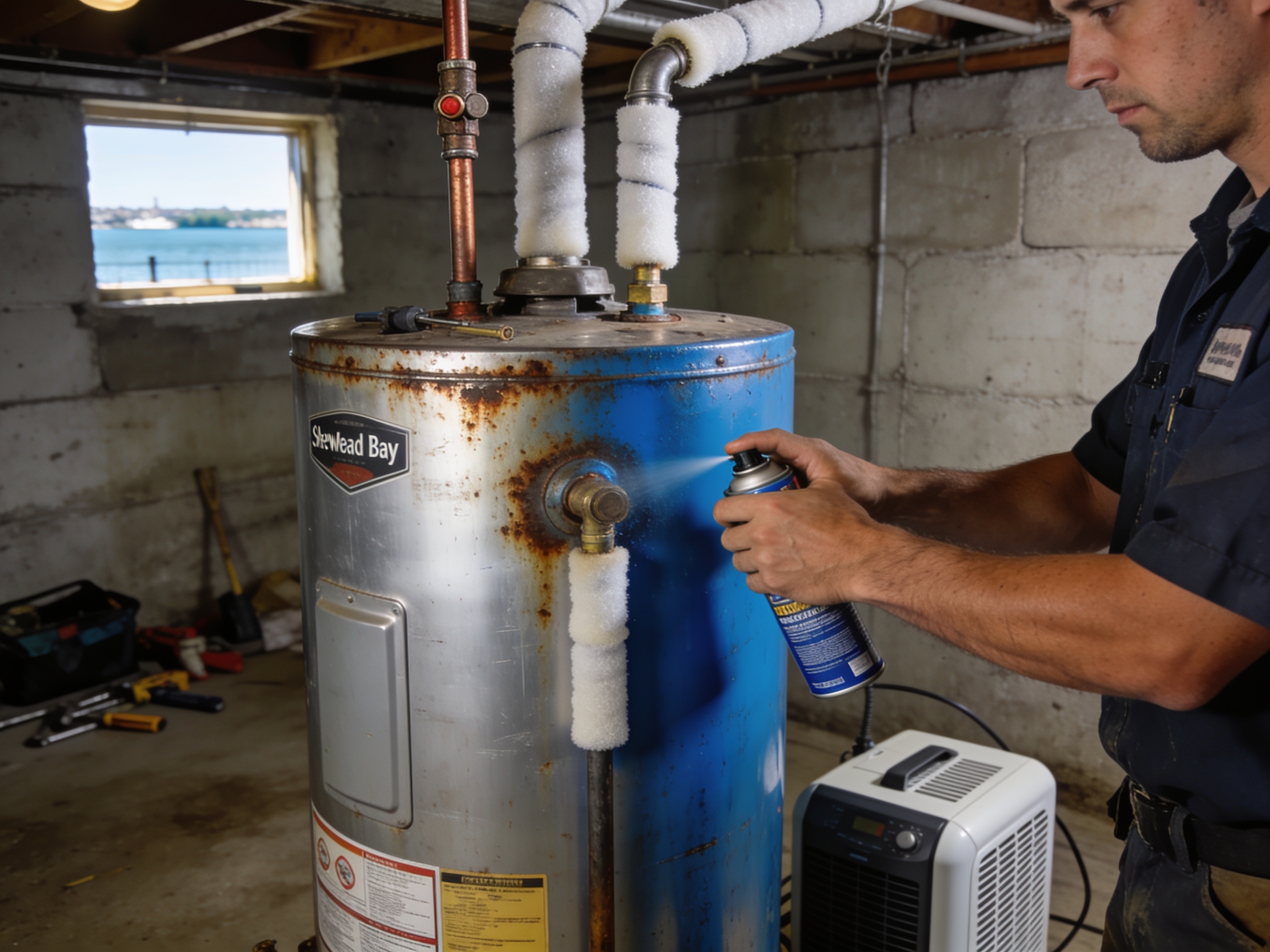
Preventing corrosion on your water heater, especially in the unique environment of Brooklyn 11234 near Sheepshead Bay, is crucial for extending its lifespan and avoiding costly repairs. The answer lies in a multi-faceted approach focusing on regular maintenance, understanding local water conditions, and proactive component replacement. Homeowners in the Sheepshead Bay, Mill Basin, and Gerritsen Beach areas often contend with specific water characteristics that can accelerate corrosion, making diligent anode rod checks and flushing routines paramount. By following these steps, you can realistically add several years to your water heater's operational life, potentially pushing it beyond the typical 8–12 year average, and avoid issues like a water heater leaking due to rust.
Understanding Local Water Conditions and Their Impact
The water quality in Brooklyn 11234, particularly in neighborhoods like Sheepshead Bay, Canarsie, and Flatlands, plays a significant role in water heater corrosion. Our municipal water supply, while safe to drink, can carry varying levels of minerals and dissolved solids. These elements, especially chlorine and chloramines used for disinfection, can become corrosive when heated, attacking the metal components inside your water heater. The older housing stock common in these areas, often built in the mid-20th century, means many homes have older plumbing systems that might contribute to localized water chemistry challenges. Understanding the specific mineral content and pH of your water is the first step; a simple home test kit or a water quality report from the NYC Department of Environmental Protection can provide valuable insights into what your water heater is up against.
The Critical Role of the Anode Rod
The anode rod is your water heater's primary defense against corrosion. Often called the "sacrificial rod," it's designed to corrode instead of the steel tank lining. In the electrolytic process that causes rust, the anode rod, typically made of magnesium, aluminum, or a blend with zinc, attracts corrosive elements in the water. For homes in Sheepshead Bay and surrounding areas, checking this rod annually is not just a recommendation—it's a necessity. Depending on your water quality and usage, an anode rod might need replacement every 3–5 years. Neglecting this simple, inexpensive component can lead to premature tank failure, turning a minor maintenance task into a major repair or replacement project. If you're experiencing issues like a water heater not heating, a failing anode rod might not be the direct cause, but its neglect could lead to more severe problems down the line.
Regular Flushing and Sediment Management
Sediment buildup is another major contributor to corrosion, especially in the lower sections of your water heater tank. Over time, minerals like calcium and magnesium, prevalent in our local water, settle at the bottom. This sediment creates a barrier that can trap moisture and accelerate localized corrosion, often leading to "hot spots" that stress the tank's metal. Furthermore, sediment reduces heating efficiency, forcing your unit to work harder and consume more energy. Flushing your water heater annually, or even semi-annually for homes with particularly hard water, is a straightforward preventative measure. This involves draining several gallons of water from the tank to remove accumulated sediment. This practice is particularly important for residents in Marine Park and Bergen Beach, where we frequently see the effects of sediment accumulation on older water heaters.
Monitoring for Early Signs of Corrosion
Staying vigilant for early indicators of corrosion can save you from a complete system failure. Look for any discoloration in your hot water, particularly a reddish-brown tint, which is a tell-tale sign of rust inside the tank. Small leaks around the bottom of the tank or connections are also critical red flags. While a minor leak might seem insignificant, it often indicates internal corrosion that has compromised the tank's integrity. Pay attention to any metallic smells coming from your hot water, or unusual noises, such as popping or rumbling, which can signal significant sediment buildup and potential corrosion. Addressing these issues promptly can mean the difference between a targeted water heater leak repair and needing a full replacement. For more insights on common issues, you might find our article on Winter Water Heater Issues Common Near Jamaica Bay helpful, as cold weather can exacerbate existing corrosion problems.
Professional Inspections and Maintenance
While DIY maintenance is valuable, periodic professional inspections are indispensable for comprehensive corrosion prevention. Elite Water Heater Repair, based right here at 2119 Flatbush Ave, Brooklyn, NY 11234, has extensive experience with the specific challenges faced by water heaters in Brooklyn 11234. Our technicians can perform detailed checks of your anode rod, inspect for internal corrosion signs that might not be visible externally, assess the integrity of your pressure relief valve, and ensure all connections are secure. We can also provide tailored advice based on your home's unique water conditions and usage patterns. A professional eye can spot potential issues, like failing dip tubes or compromised tank linings, long before they escalate into an emergency. Proactive maintenance is always more cost-effective than reactive repairs, especially when dealing with the vital components of your home's hot water system.